
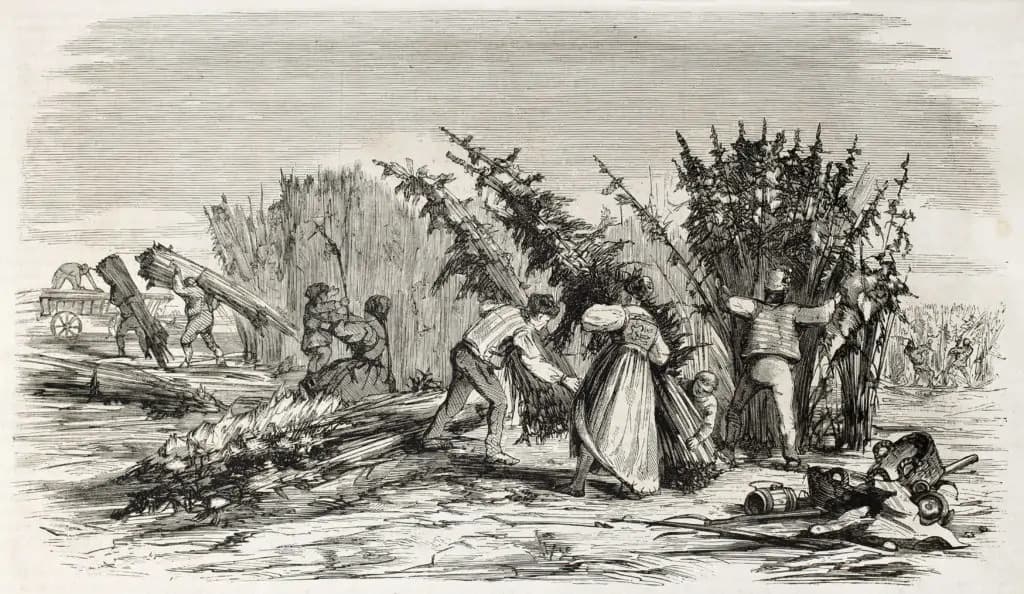
Cannabis has been rope and sailcloth, medicine and sacrament, outlaw and patient care. Here's how one plant traveled from the steppes of Central Asia to a dispensary shelf in San Jose.
Few plants have shaped human history as quietly or as thoroughly as cannabis. Long before anyone rolled a joint, people were twisting its fibers into rope, eating its seeds, brewing it into medicine and burning it in religious ceremonies. Its story runs through ancient China and India, medieval Cairo, the shipyards of the British navy, the farms of colonial Virginia and, eventually, the ballot boxes of California.
This guide walks through that story in order, from the first traces of the plant in the archaeological record to the legal market you shop in today. If you just want the highlights, skip ahead to the timeline.
Where it all began
Cannabis is one of humanity's oldest crops. Genetic studies of hundreds of modern and wild plants point to East and Central Asia as its homeland, with the first domestication happening roughly 12,000 years ago, around the same time people were first settling into farming communities. Some of the oldest physical evidence comes from Japan, where cannabis seeds found at an archaeological site in the Oki Islands date to around 8000 BCE.
Those early farmers weren't growing it to get high. Wild cannabis was a practical plant. Its stalks gave strong fiber for cord and textiles, and its seeds were a nutritious food. In China, hemp cord pressed into pottery left patterned imprints that archaeologists have found on vessels from the Yangshao culture, more than 6,000 years ago.
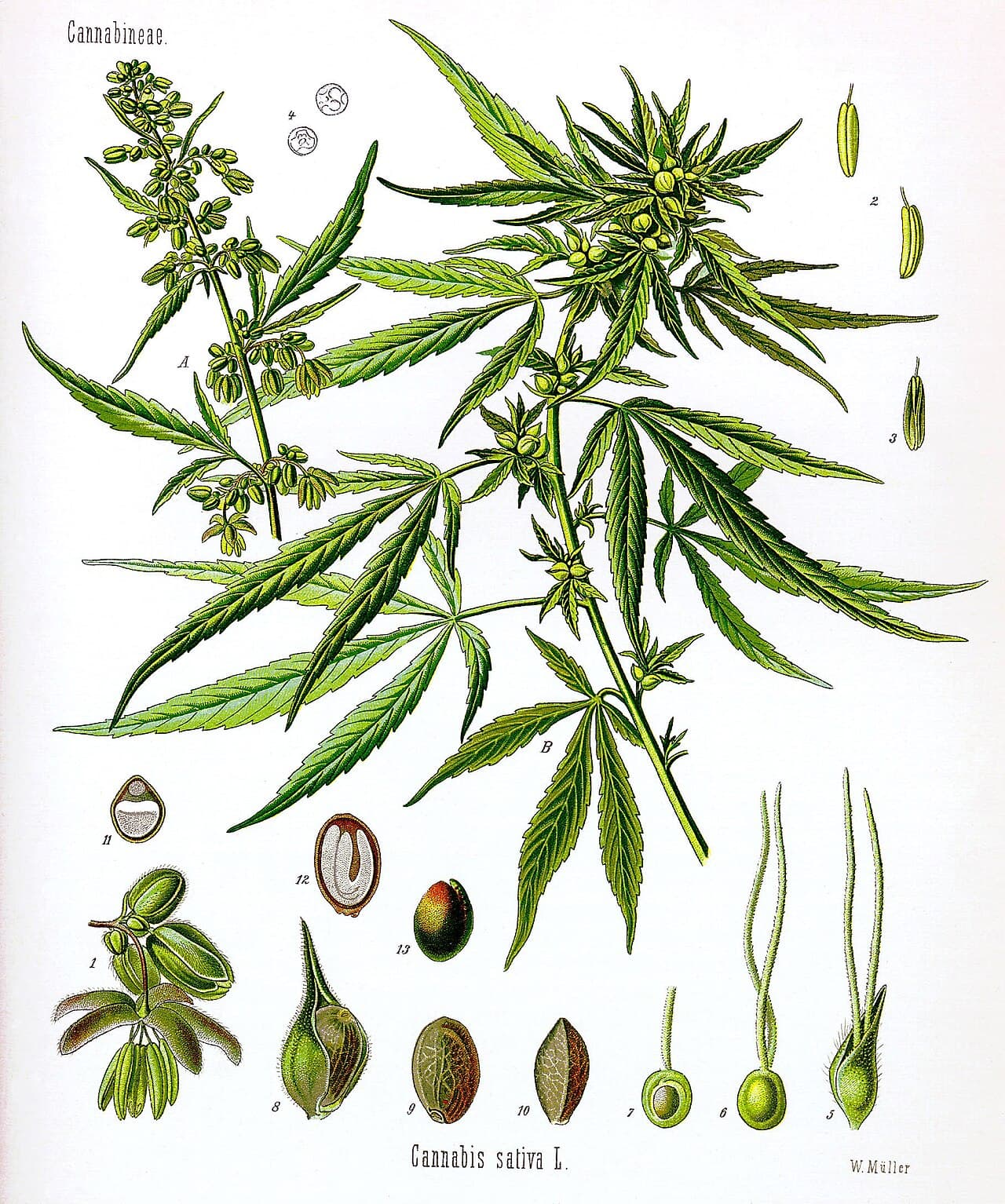
Because cannabis grows fast and thrives in disturbed soil, it followed people wherever they went. Over thousands of years it spread west across the steppe with nomadic herders and south into the Indian subcontinent, picking up new uses and new names along the way.
Ancient China: fiber, food and medicine
China has one of the longest continuous records of cannabis use. Hemp, known as ma, was eaten as a grain, woven into clothing and twisted into fishing nets and bowstrings. Some of the earliest paper made in China, during the Han dynasty, was made from hemp fiber.
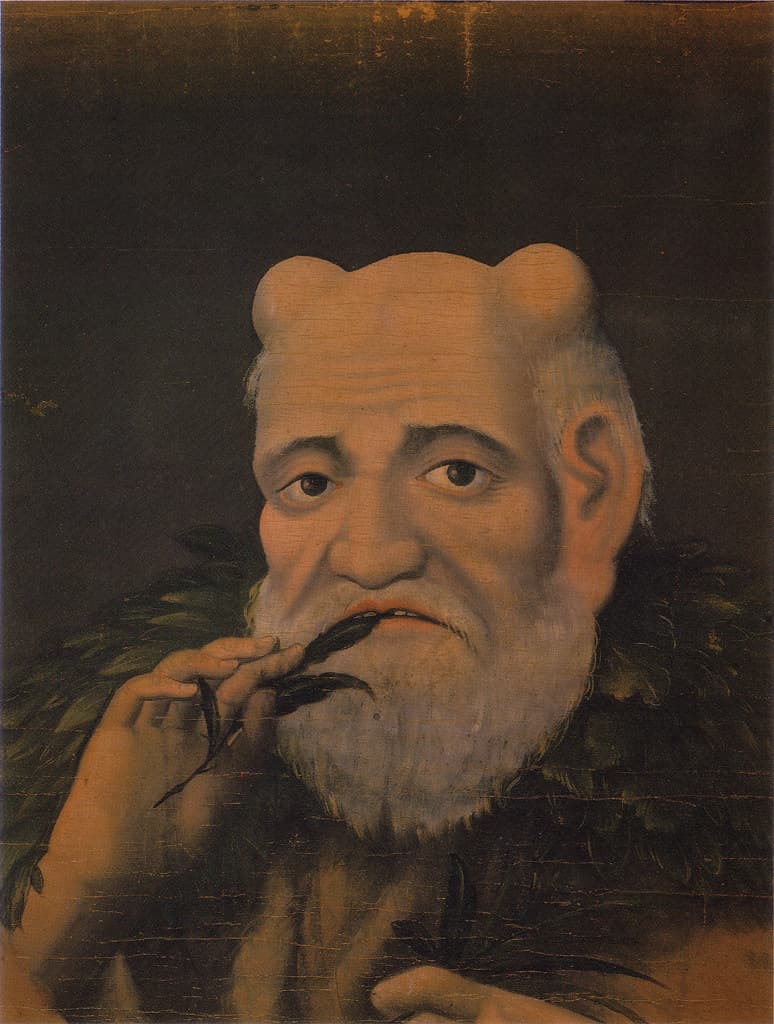
Cannabis also appears in the Shennong Bencaojing, one of the oldest Chinese books on herbal medicine. Tradition credits it to Shennong, a legendary emperor said to have tasted hundreds of plants to learn their properties, and many popular histories date it to 2700 BCE or earlier. Historians believe the text was actually compiled during the Han dynasty, roughly 2,000 years ago, from much older oral knowledge. It describes cannabis for pain and other ailments and warns that taking too much could make a person “see demons.”
Archaeology backs up the idea that people knew about the plant's effects. In the Yanghai tombs of western China, researchers found a large stash of cannabis buried with a man, probably a shaman, about 2,700 years ago. Lab tests showed it came from a THC-rich plant. In 2019, scientists studying wooden braziers from the Jirzankal Cemetery in the Pamir Mountains found chemical traces of high-THC cannabis that had been burned during funeral rites around 2,500 years ago. It is some of the clearest early evidence of people inhaling cannabis for its effects.
India's sacred plant
In India, cannabis became woven into religion. The Atharvaveda, a Hindu text composed roughly 3,000 years ago, names it as one of five sacred plants that release people from anxiety. Hindu tradition links it closely to the god Shiva, and it is still offered during festivals like Holi and Maha Shivaratri.
Three traditional preparations developed over the centuries, and you'll still hear their names today:
- Bhang: leaves and flowers ground into a paste and mixed into drinks, often with milk and spices.
- Ganja: the dried flowering tops of the female plant, usually smoked.
- Charas: resin rubbed by hand from living plants, a traditional form of hash.
Cannabis also became part of Ayurvedic medicine, used for digestion, sleep and pain. When British officials later debated banning it, they formed the Indian Hemp Drugs Commission. Its massive 1894 report concluded that moderate use “practically produces no ill effects” and recommended regulating it rather than prohibiting it.
Egypt, Greece & Rome
Cannabis moved west along trade routes. The Ebers Papyrus, an Egyptian medical text written around 1550 BCE, includes a remedy that many scholars read as cannabis applied to ease inflammation. Assyrian clay tablets also mention a plant called azallû, believed to be cannabis, used as a medicine.
In the 5th century BCE, the Greek historian Herodotus described the Scythians, horse-riding nomads of the steppe, throwing hemp seeds onto hot stones inside small tents and “howling with joy” at the vapor. For centuries it sounded like a tall tale, until archaeologists excavated frozen Scythian-era burials at Pazyryk in Siberia and found tents, braziers and cannabis seeds just as he had described.
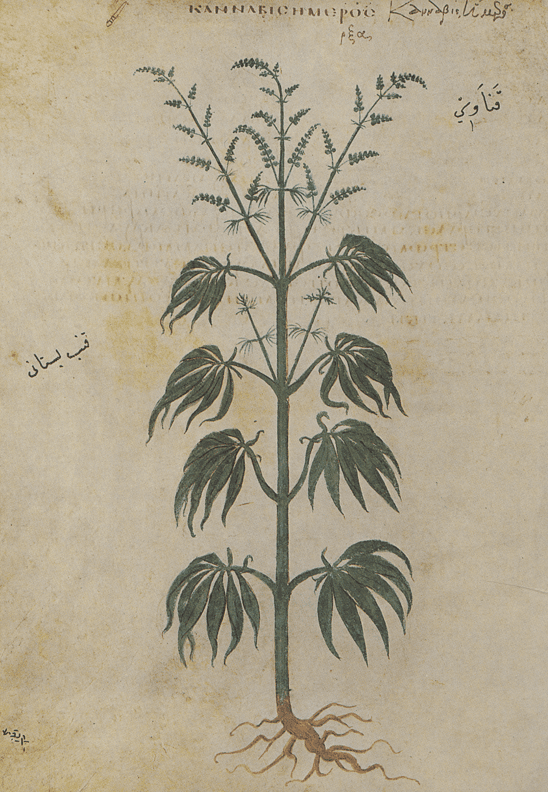
Roman doctors took a more practical view. The physician Dioscorides included cannabis in De Materia Medica around 70 CE, recommending juice from the seeds for earaches. Pliny the Elder wrote about hemp rope and its medicinal uses, and the physician Galen noted that cakes made with cannabis seed were served at banquets to create a feeling of warmth and good cheer, but could dull the senses if eaten in excess.
The age of hashish
Over the following centuries, cannabis spread throughout the Islamic world, where its resin became known as hashish. It reached Egypt by the 12th century, and by the 13th century Sufi mystics in Cairo were known for eating it as part of their spiritual practice. Hashish was sold openly in parts of the city, and the Andalusian botanist Ibn al-Bayṭār described a cannabis variety he saw growing in Egypt.
Before tobacco arrived from the Americas, smoking wasn't common in the Old World, so most hashish was eaten, often mixed into sweets. Attitudes swung between tolerance and crackdowns. In 1378, the emir Soudoun Sheikouni ordered cannabis plants destroyed and harshly punished people caught eating hashish, in one of the earliest known attempts to ban the plant.
Arab traders also carried cannabis down the east coast of Africa. From there it spread inland, and pipes from Ethiopia dated to around 1320 CE contain traces of cannabis. Cannabis smoking became part of many African cultures centuries before it caught on in Europe.
Hemp builds empires
While the Middle East embraced hashish, Europe embraced hemp. Its tough fibers made the best rope, sails and rigging available, which made it a strategic material for any nation with a navy. In the early 1500s, England's Henry VIII pushed farmers to grow it to supply his growing fleet. Even the word “canvas” traces back to the Latin cannabis.
European colonists brought hemp to the Americas. The Spanish were growing it in Chile by around 1545. In 1619, the first legislature of the Virginia colony passed a law requiring planters to grow hemp, and several colonies later accepted it as payment for taxes. For the next two centuries, hemp was an ordinary farm crop across much of North America, valued for rope, cloth, paper and oil.
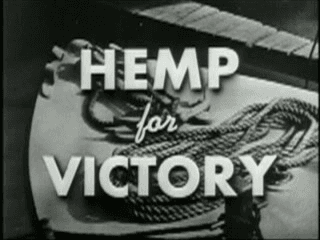
That history came full circle during World War II. After Japan cut off supplies of Manila hemp from the Philippines, the U.S. government reversed course and encouraged farmers to grow hemp again, releasing a short film called Hemp for Victory in 1942. When the war ended, the program ended with it.
Cannabis in Western medicine
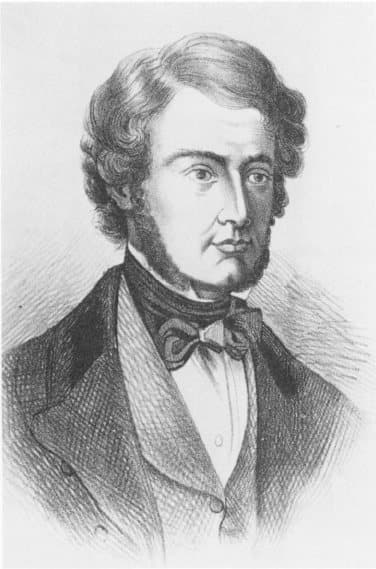
Western doctors largely ignored cannabis as medicine until 1839, when William Brooke O'Shaughnessy, an Irish physician working in Calcutta, published his observations on Indian hemp. He had tested it on patients with rheumatism, cholera, tetanus and infant seizures, and reported impressive results. When he returned to Britain in 1842, he brought cannabis with him, and it quickly found a place in European medicine.
At the same time, cannabis was gaining a following among artists. In Paris, the psychiatrist Jacques-Joseph Moreau, who had studied hashish during travels in North Africa and the Middle East, helped found the Club des Hashischins in the 1840s. Writers including Théophile Gautier, Alexandre Dumas and Charles Baudelaire attended its gatherings and wrote about the experience.
In the United States, cannabis entered the official U.S. Pharmacopeia in 1850. For the rest of the century, tinctures and extracts of cannabis were sold in pharmacies and prescribed for pain, cramps, insomnia and migraines. But the medicines were hard to standardize, since potency varied from batch to batch, and newer drugs like aspirin and injectable opioids gradually replaced them.
Prohibition
In the early 20th century, the tide turned. Governments around the world began restricting cannabis, often alongside opium and cocaine. California was one of the first U.S. states to ban it, adding cannabis to its poison laws in 1913. In 1925, an international opium convention in Geneva put limits on the global trade in “Indian hemp.”
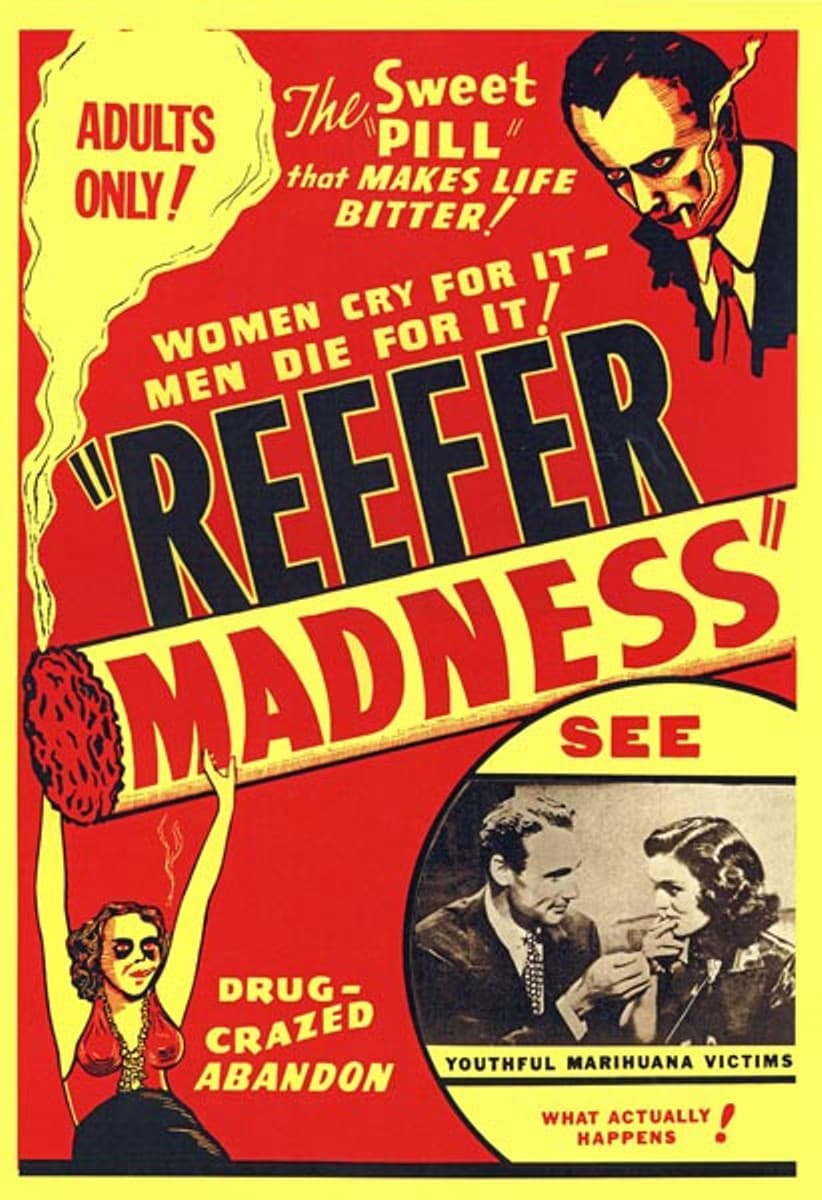
In the U.S., anti-cannabis campaigns in the 1920s and 1930s leaned heavily on racist fears about Mexican immigrants and Black musicians, and popularized the Spanish word “marihuana” to make the plant sound foreign and dangerous. Harry Anslinger, the first commissioner of the Federal Bureau of Narcotics, became the face of the campaign. Exploitation films like Reefer Madness (1936) warned that a single puff led to madness and murder.
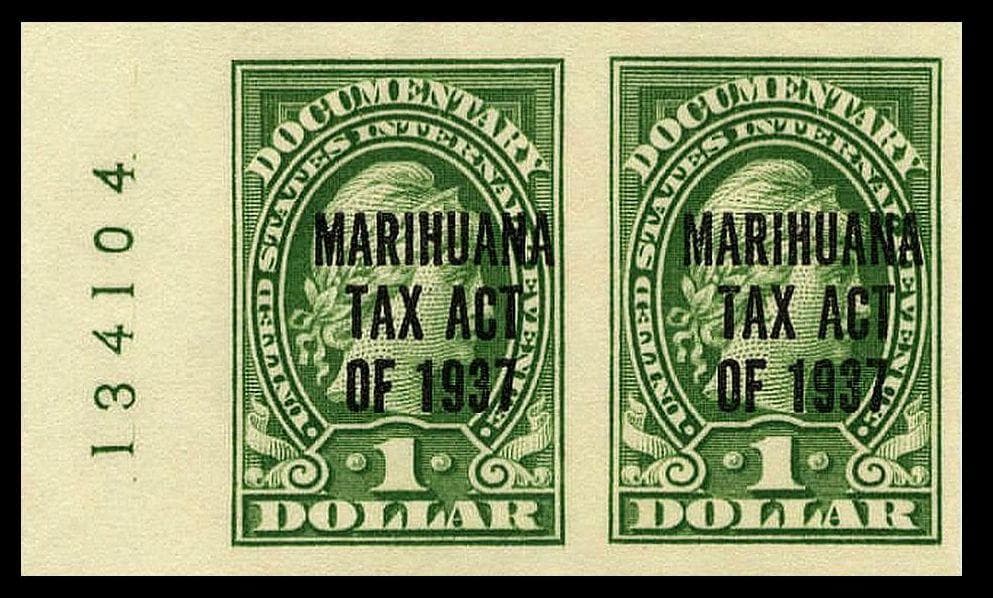
The Marihuana Tax Act of 1937 didn't ban cannabis outright. Instead, it required anyone who grew, sold or prescribed it to register and pay a tax, with paperwork so burdensome that legal use all but disappeared. Cannabis was dropped from the U.S. Pharmacopeia in 1942.
Prohibition went global in 1961, when the United Nations Single Convention on Narcotic Drugs placed cannabis under its strictest controls. In 1970, the U.S. Controlled Substances Act classified cannabis as a Schedule I drug, defined as having a high potential for abuse and no accepted medical use. Two years later, a federal commission appointed by President Nixon recommended decriminalizing personal possession, but the recommendation was ignored.
The science catches up
Even as cannabis was being outlawed, chemists were working out what made it tick. CBD was first isolated in 1940. Then, in 1964, the Israeli chemist Raphael Mechoulam and his colleague Yehiel Gaoni identified the structure of THC, the compound behind the high. Mechoulam would spend the rest of his career studying cannabis and is often called the father of cannabis research.
The bigger surprise came next. In 1988, researchers found that the brain has receptors that THC binds to, which became known as CB1. A second receptor, CB2, was identified in 1993, mainly in the immune system. Why would the human body have receptors for a plant? Because it makes its own cannabis-like compounds. In 1992, Mechoulam's lab discovered anandamide, named after the Sanskrit word for bliss, and a second compound, 2-AG, followed in 1995.
Together, these receptors and compounds make up the endocannabinoid system, a network that helps regulate mood, appetite, pain, sleep and memory. Its discovery is why researchers now take cannabis medicine seriously.
Approved medicines followed. In 1985, the FDA approved dronabinol, a synthetic THC, for chemotherapy nausea. In 2018, it approved Epidiolex, a purified CBD medicine for rare forms of childhood epilepsy and the first FDA-approved drug made from the cannabis plant itself.
The road to legalization
The modern legalization movement started right here in California. During the AIDS crisis of the 1980s and 90s, activists in San Francisco began providing cannabis to patients suffering from wasting syndrome and the side effects of treatment. Their work led to Proposition 215, the Compassionate Use Act, which California voters passed in 1996. It made California the first state to legalize medical cannabis, and the state followed up in 2003 with SB 420, which created a voluntary state ID card program for patients.
Other states soon followed. In 2012, Colorado and Washington became the first states to legalize cannabis for adults. Uruguay became the first country to do the same in 2013, followed by Canada in 2018.
California voters approved Proposition 64, the Adult Use of Marijuana Act, in 2016, and licensed adult-use sales began on January 1, 2018. The same year, the federal Farm Bill removed hemp with very low THC from the Controlled Substances Act, making it legal to grow nationwide for the first time in decades. In 2020, the United Nations removed cannabis from its list of the most dangerous drugs.
Federal law has started to move as well. In April 2026, the DEA moved FDA-approved cannabis medicines and state-licensed medical cannabis from Schedule I to Schedule III. Whether to reschedule all cannabis is still under review, so adult-use cannabis remains federally illegal for now.
Today, cannabis is legal for medical or adult use in most U.S. states, and California is home to the largest legal cannabis market in the world. After 12,000 years as fiber, food, medicine and sacrament, the plant's story is still being written.
Cannabis timeline
- c. 10,000 BCEFirst domestication
Cannabis is domesticated in East or Central Asia, one of the first crops people grew.
- c. 8000 BCESeeds in Japan
Cannabis seeds at a site in Japan's Oki Islands are among the oldest physical evidence of use.
- c. 4000 BCEHemp in China
Hemp cord leaves imprints on pottery from China's Yangshao culture.
- c. 1550 BCEEgyptian medicine
The Ebers Papyrus includes a remedy widely read as cannabis for inflammation.
- c. 1000 BCEA sacred plant in India
The Atharvaveda names cannabis among five sacred plants.
- c. 700 BCEYanghai tombs
A shaman in western China is buried with a stash of THC-rich cannabis.
- c. 440 BCEHerodotus and the Scythians
The Greek historian describes nomads inhaling hemp vapor inside small tents.
- c. 70 CERoman medicine
Dioscorides includes cannabis in De Materia Medica.
- 1100s–1200sHashish spreads
Hashish reaches Egypt and becomes popular across the Islamic world.
- 1619Hemp in Virginia
The Virginia colony requires planters to grow hemp.
- 1839Cannabis enters Western medicine
William O'Shaughnessy publishes his research on Indian hemp.
- 1850U.S. Pharmacopeia
Cannabis is listed as an official medicine in the United States.
- 1913California bans cannabis
California becomes one of the first states to prohibit the plant.
- 1937Marihuana Tax Act
A federal tax law effectively ends legal cannabis use in the U.S.
- 1961Single Convention
A UN treaty places cannabis under strict international control.
- 1964THC identified
Raphael Mechoulam and Yehiel Gaoni determine the structure of THC.
- 1970Schedule I
The Controlled Substances Act lists cannabis as a Schedule I drug.
- 1988–1995Endocannabinoid system
Scientists discover the CB1 and CB2 receptors, anandamide and 2-AG.
- 1996Proposition 215
California becomes the first state to legalize medical cannabis.
- 2012Adult use arrives
Colorado and Washington legalize cannabis for adults.
- 2016Proposition 64
California voters legalize adult-use cannabis. Licensed sales begin in 2018.
- 2018Canada and the Farm Bill
Canada legalizes cannabis nationwide, and the U.S. legalizes hemp.
- 2026Schedule III, in part
The DEA moves state-licensed medical cannabis and FDA-approved cannabis drugs to Schedule III.
Ancient dates are approximate and are based on archaeological finds and historians' estimates.
Sources & credits
This guide was written by the Purple Lotus team using the following sources. They are a good place to start if you want to go deeper.
- History of cannabis and the endocannabinoid system · Crocq, Dialogues in Clinical Neuroscience (2020)
- History of cannabis · The Lambert Initiative, University of Sydney
- History of cannabis · UCLA Center for Cannabis and Cannabinoids
- History of cannabis · Wikipedia
- Rescheduling of FDA-approved products containing marijuana to Schedule III · Federal Register (April 2026)
Historical images are in the public domain and were sourced from Wikimedia Commons. Credits appear under each image.