
Beginner's Guide to Cannabis
New to cannabis, or just looking to refresh the fundamentals? This guide covers strain types, cannabinoids, terpenes, product categories, consumption methods, and dosing — everything you need to shop and use cannabis with confidence.
What is Cannabis?
Cannabis is a flowering plant that produces hundreds of unique compounds — most notably cannabinoids and terpenes — that interact with the body's endocannabinoid system to produce a range of psychoactive and therapeutic effects. People use it recreationally to relax, lift mood, or socialize, and medicinally to support sleep, manage pain, ease anxiety, and more.
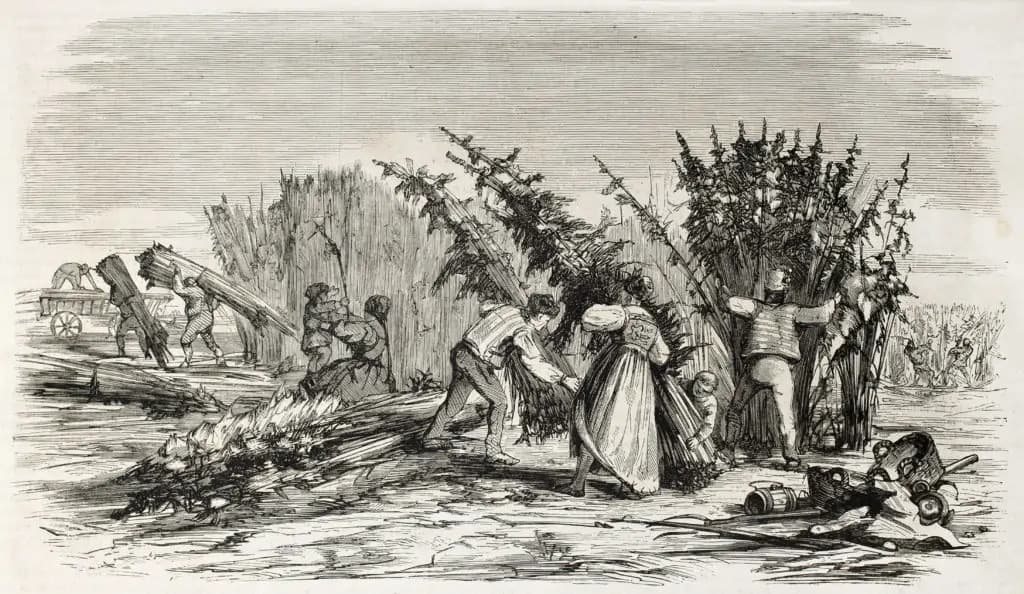
Cannabis has been used for thousands of years across cultures for ritual, medicine, and craft.
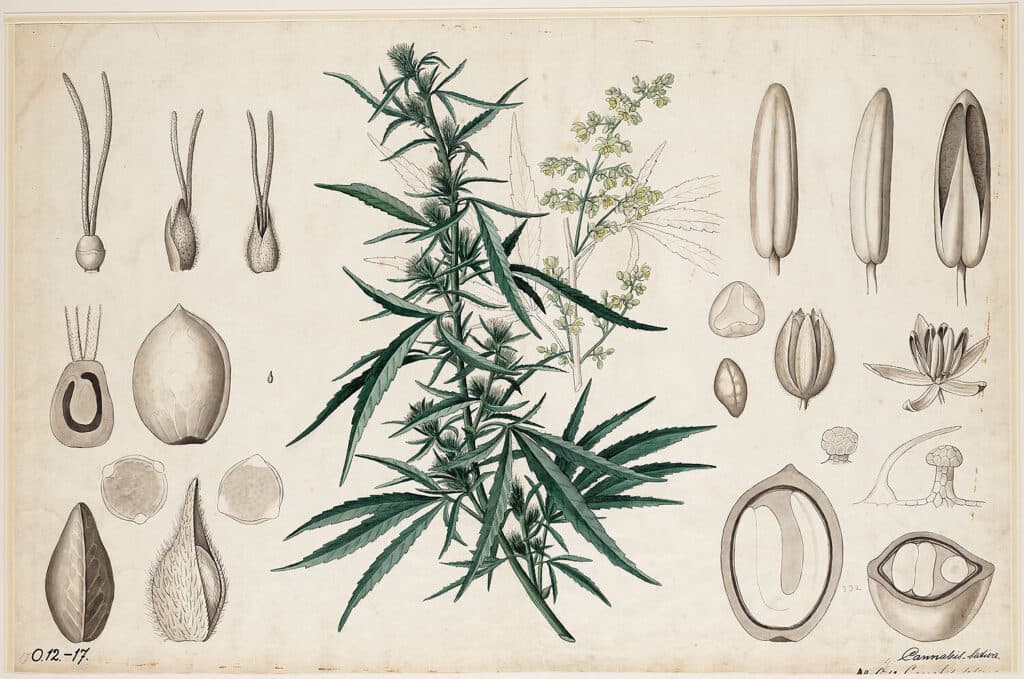
From buds and trichomes to pistils and fan leaves — the parts of the plant explained.
Indica, live resin, terps, dabs — plain-English definitions for the terms you'll see.
Understanding Strain Types
Strain lineage gives you a rough idea of how a product will feel. Cannabis is more complex than a simple indica-vs-sativa label, but it’s a useful starting point.
Sativa strains are energizing, cerebral, and mood-enhancing. Best used during the day when you want to stay active and engaged.
Indica strains are known for their relaxing, sedative effects. They tend to deliver a heavy body high, making them a popular choice for evening use.
Hybrids blend indica and sativa genetics to offer a balanced mix of mental and physical effects — versatile any time of day.
CBD-dominant strains are low in THC and non-intoxicating. They’re commonly used for relief without the typical high.
Heads up: Indica / sativa / hybrid is a useful shorthand, but it's a simplification. A product's terpene profile and cannabinoid ratios influence how it feels more than the lineage label alone — two indica strains can feel very different. Always check the lab results when you can.Source: Russo, E. B. (2011). Taming THC: potential cannabis synergy and phytocannabinoid-terpenoid entourage effects. British Journal of Pharmacology.
Understanding Cannabinoids
Cannabinoids are the active compounds in cannabis. THC and CBD get the headlines, but there are over 100 — and each plays a different role in how a product feels.
The main psychoactive compound in cannabis — responsible for the classic euphoria, altered perception, and head/body high.
Non-intoxicating and widely used for calm and relief. Often paired with THC to balance and soften its effects.
The “mother cannabinoid” other compounds derive from. Often associated with focus and a clear-headed mood.
Formed as THC ages. Frequently found in sleep-focused products and often paired with indica strains.
A lighter, more cerebral psychoactive compound sometimes called “diet weed.” Often associated with appetite suppression, focus, and clear-headed energy.
A non-intoxicating minor cannabinoid often included in full-spectrum products for its supportive role in the entourage effect.
The raw, non-psychoactive precursor to THC. Converts to THC when heated (smoked, vaped, or cooked).
A milder, smoother cousin of Δ9-THC. Produces a clearer, lower-intensity high — often described as halfway between THC and CBD.
The raw, non-psychoactive form of CBD found in fresh cannabis. Converts to CBD when heated and is sometimes featured in tinctures and topicals.
Disclaimer: Descriptions of how each cannabinoid feels are based on user-reported effects and emerging research. These compounds have not been evaluated by the FDA as treatments for any condition, and effects vary by person, dose, and product.Source: National Academies of Sciences, Engineering, and Medicine (2017). The Health Effects of Cannabis and Cannabinoids.
Understanding Terpenes
Terpenes are the aromatic oils that give each strain its smell and personality. There are over 200 known terpenes identified in the cannabis plant — here are the primary ones.
One of the most abundant terpenes in cannabis. Known for earthy, musky, sometimes fruity aromas and potential anti-inflammatory and sedative effects.
The second most common terpene in nature, abundant in citrus peel. Promotes relaxation, boosts mood, eases nervousness, and acts as a strong antioxidant.
A spicy, pepper-scented terpene that uniquely interacts with the body's endocannabinoid system — often associated with muscle relaxation, reduced stress, and better sleep.
The most abundant terpene in nature, rich in evergreen trees and herbs. Often associated with supporting respiratory function and short-term memory.
The signature floral terpene of lavender. Widely associated with a calming, restful effect and may help ease nervousness and tension.
A hoppy terpene with earthy, spicy notes. Common in hops, coriander, and basil — may offer anti-inflammatory effects and help with discomfort and appetite control.
Disclaimer: Terpene effects in cannabis are an active area of research. The ‘entourage effect’ — the idea that cannabinoids and terpenes work better together — is a working hypothesis with growing but still incomplete evidence. Treat these as general aromatic and folk-effect associations, not clinical claims.Sources: Russo (2011), Br J Pharmacol; LaVigne et al. (2021), Cannabis sativa terpenes are cannabimimetic, Scientific Reports.
Understanding Dosages
Especially with edibles — wait at least 2 hours before taking more. These ranges are general guidelines for THC; everyone’s body is different.
Microdose territory. Best for first-timers, sensitive folks, or wellness-only use without much of a head change.
Mild to moderate euphoria. A good weekend or evening dose for occasional users.
Strong, full effects. For experienced users with some tolerance built up.
Daily users with significant built-up tolerance. Listen to your body — more isn't always more.
How potency is labeled
Strength shows up two different ways on a label, depending on the type of product.
The share of the product's weight that's THC. Flower typically tests 18–30%; concentrates like vapes, wax, and rosin run 60–90%. A higher percentage means more THC per gram — but terpenes and your own tolerance shape the experience just as much as the number.
These aren't measured by weight — they're labeled in milligrams of THC. A package shows the total (e.g. 100mg) and the dose per piece (e.g. 10mg each). In California a package caps at 100mg, with 10mg per serving.
Flower weights, decoded
Flower is sold by weight. Here's what the common amounts add up to.
Important: These are general guidelines for THC, not medical advice. Cannabis affects everyone differently — start at the lower end of any range, wait the full onset window, and adjust slowly. Don't combine with alcohol or operate machinery while impaired. If you're pregnant, nursing, taking prescription medication, or managing a medical condition, talk to your doctor before using cannabis.Source: MacCallum & Russo (2018), Practical considerations in medical cannabis administration and dosing.
Understanding Consumption Methods
Onset, duration, and intensity depend on how you consume cannabis. Pick the method that matches the experience you want.
Inhaling cannabis flower or vapor. The classic method — immediate effects and easy dose control by the puff. Joints, pipes, bongs, and vape carts all fall here.
Vaporizing cannabis concentrates like live resin, rosin, or sauce at high temperatures. Extremely potent and fast-acting — best for experienced users.
Cannabis-infused gummies, chocolates, and baked goods. Long-lasting and smoke-free, but slow to kick in. Start low, go slow.
Cannabis-infused drinks like seltzers, teas, and tonics. Modern nano-emulsified beverages kick in faster than traditional edibles and offer pre-measured doses.
Liquid cannabis dosed by the dropper. Held under the tongue for faster onset, or added to food/drinks for an edible-like experience. Very precise dosing.
Creams, balms, lotions, and roll-ons applied to the skin. Targeted, localized relief without the head high (most non-transdermal topicals are non-intoxicating).
Disclaimer: Onset and duration are general averages. Individual factors — body composition, recent meals, metabolism, tolerance, and product potency — can shift these ranges significantly. Inhaled methods deliver THC faster but for a shorter window than ingested methods.Source: MacCallum, C. A. & Russo, E. B. (2018). Practical considerations in medical cannabis administration and dosing. European Journal of Internal Medicine.
Explore Our Categories
Every category does something a little different. Here’s a quick tour of what’s on the menu and how to use it.
The classic cannabis bud — dried, cured, and ready to grind, roll, or pack. Fast-acting and full-spectrum, with flavor and effects shaped by strain and terpene profile.
Pre-rolled joints saving you the grinding and rolling. Available as single-strain classics, infused with concentrate, or in multi-packs.
Concentrated cannabis in many forms — live resin, rosin, hash, sauce, and diamonds. High potency, intense flavor, designed to be dabbed or added to flower.
Cannabis vape pens and cartridges. Discreet, portable, and fast-acting — choose disposable all-in-ones or refillable batteries with 510-thread carts.
Cannabis-infused gummies, chocolates, baked goods, and snacks. Delayed onset (30–120 min) and long-lasting effects (4–8 hours).
Liquid cannabis dosed by the dropper. Held under the tongue for fast onset (15–45 min) or added to food/drinks for an edible-like experience.
Cannabis lotions, balms, and roll-ons absorbed through the skin. Targeted relief without the high (most non-transdermal topicals are non-intoxicating).
Everything you need to use cannabis comfortably: grinders, rolling papers, pipes, batteries, dab tools, and cleaning supplies.
Note: Potency, formulation, and effects vary across brands and batches. Always check a product's lab results and label before consuming, especially when trying something new.
What to expect your first time
A few things worth knowing if cannabis is new to you. Take it slow, be kind to yourself, and remember — whatever you feel always passes.
A pleasant warmth, shifted time perception, possible giggles or thoughtfulness, heightened senses or appetite. Effects build for the first 20–60 minutes (longer for edibles). If it feels strong, it always passes — you'll be back to yourself in a few hours.
Begin with 1–2.5 mg of THC, especially with edibles, and wait the full onset window before considering more. The classic rule: you can always take more, but you can't take less.
Pick a calm, familiar place with trusted company on a low-key day. Your mood and environment going in shape the experience as much as the dose. A first time isn't the moment for big plans or stressful situations.
Higher THC% doesn't automatically mean a better experience — terpenes and cannabinoid balance matter just as much. And you can't fatally overdose on cannabis, but you can absolutely have an uncomfortable few hours if you take too much.
Don't drive, operate machinery, or sign anything important while impaired. Skip mixing with alcohol or other substances on your first try. Stay hydrated. If you take prescription meds or are pregnant/nursing, talk to your doctor first.
Cool, dark, airtight. Flower and concentrates lose potency and flavor with heat, light, and air exposure — glass jars beat plastic bags. Always store out of reach of children and pets, ideally in a locked container.
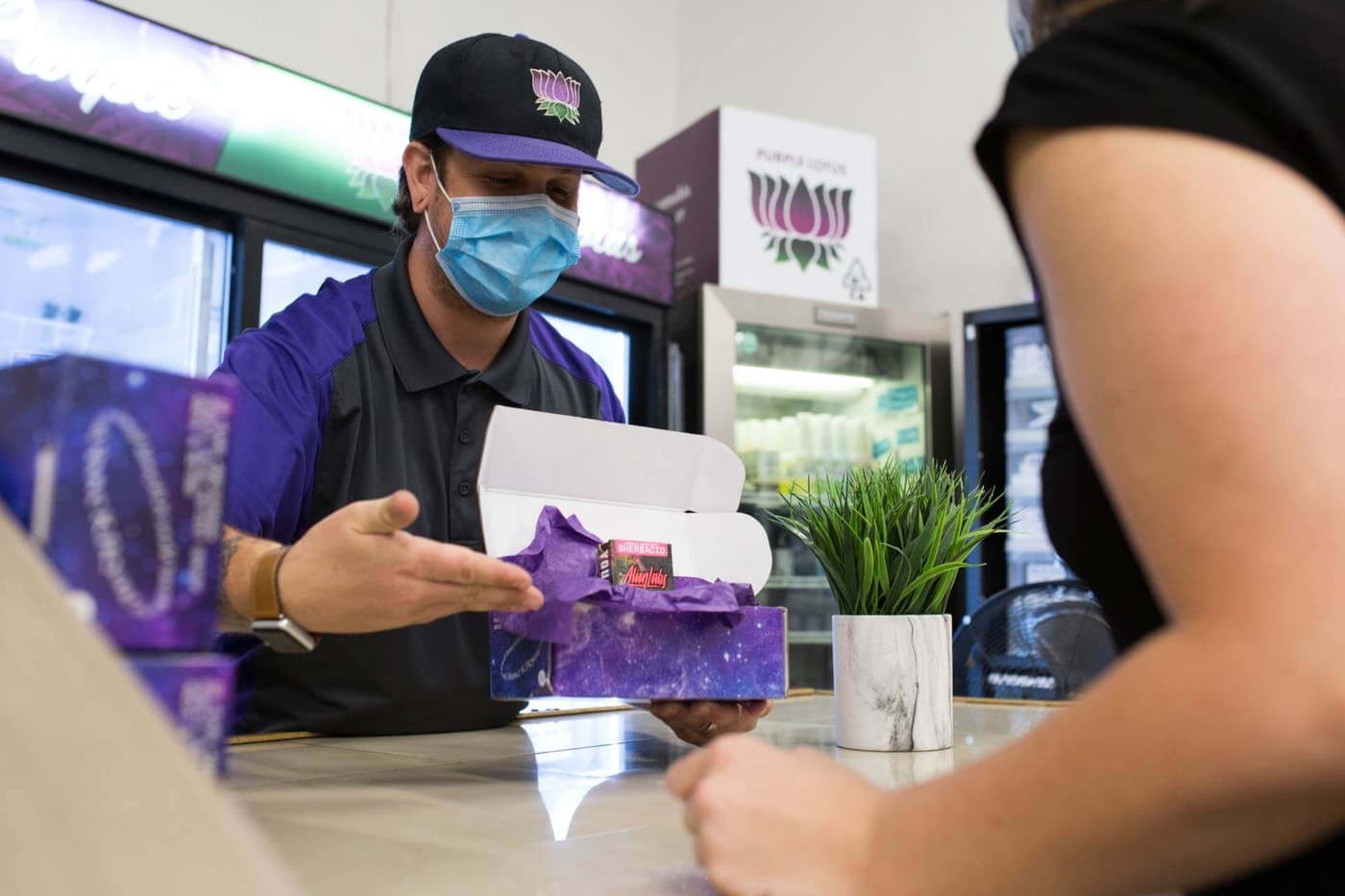
Ask a budtender,
we’re here to help!
Our team is happy to walk you through strain types, dosing, or any product on the menu. Come visit, give us a call, or chat with us online.